Tichá hrdinství Pardubice: Příběhy z padesátých let
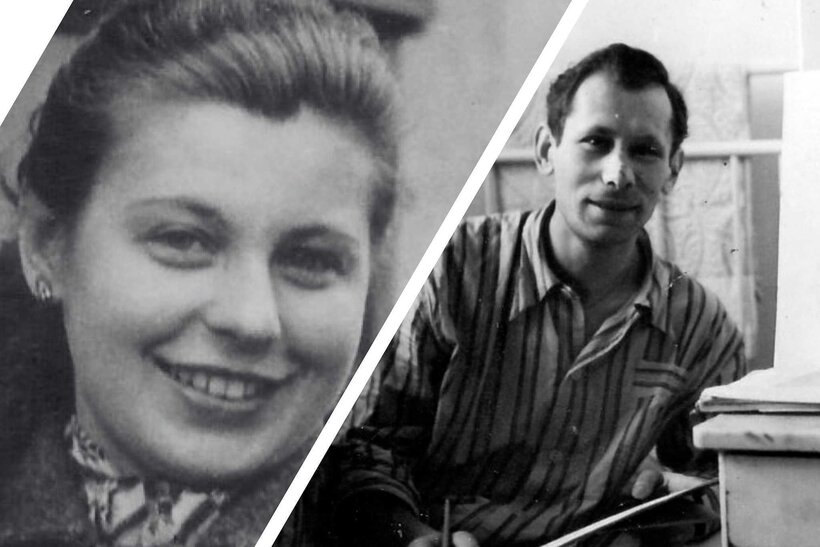
You can choose from two eras. During a single visit, you’ll experience the story of one of the eyewitnesses. You can visit the exhibition four times, and each time you’ll leave with a new experience.
Exhibition Dates
July 13–19, 2026
Odd Week
Stories from the 1950s
July 20–26, 2026
Even weeks
Stories from World War II
July 27–August 2, 2026
Odd week
Stories from the 1950s
August 3–9, 2026
Even week
Stories from World War II
------------------------------------------
Stories from the 1950s
Milena Blatná: Letters from the Underground
In 1952, Milena found herself in the Jáchymov mines, which have gone down in history as a symbol of suffering. She first worked in the accounting department, then in technical inspection, where she encountered prisoners every day.
It was there that she found not only love, but also courage. She began smuggling out the prisoners’ letters—small sparks of hope for their families. Every letter was a risk. And one day, she was caught. She expected to end up behind bars, but instead, a turning point came—the deaths of Stalin and Gottwald. How did it all turn out? Come experience Milena’s story.
Leopold Färber: The Man with the Glass Eye
Leopold’s father was Jewish, his mother Catholic. It was precisely this “mixed marriage” that saved the family from being transported to an extermination camp.
As a boy, nicknamed Hurvínek, he carried messages between resistance groups and learned that one must never give in to evil. After the war, that spirit of defiance remained within him. Together with the Mark brothers, he decided to stand up to the new regime—this time, the communist one. They sought out explosives and planned an attack on a police academy.
But everything went wrong. How did he end up with his glass eye? You’ll learn all this and more in the interactive exhibition “Silent Heroes.”
------------------------------------------
Stories from World War II
Jaryna Mlchová: The “Jaundice” That Saved Lives
When World War II broke out, Jaryna Mlchová turned her knowledge of chemistry into a weapon. She joined the PVVZ group and spent her nights preparing so-called “jaundice packets.” These were a mixture of picric and citric acids that, when ingested, induced symptoms of jaundice.
Thanks to this, dozens of Jews were able to remain in Prague and escape the deportations. The risk of such sabotage was enormous—the Gestapo searched her apartment several times. Was she discovered? You’ll find out in the interactive exhibition, where Jaryna Mlchová will be your guide.
Tomáš Sedláček: From Europe to Asia in the Fight Against Nazism
When Hitler occupied Czechoslovakia, the young officer Tomáš Sedláček knew he wanted to stand up to Nazism. He traveled through Slovakia, Hungary, Turkey, and Syria all the way to Beirut, from where he continued on to France. Instead of the expected battle, however, he was met with disappointment at the passivity of the French.
He therefore welcomed his subsequent transfer to England, where he prepared for his next deployment. In 1944, he was transferred to the Eastern Front—to Dukla. The Low Tatras buried in snow, frost, wind, and battle. The Slovak National Uprising. Follow in the footsteps of General Tomáš Sedláček and experience his journey through wartime Europe and Asia.
------------------------------------------
More about the exhibition
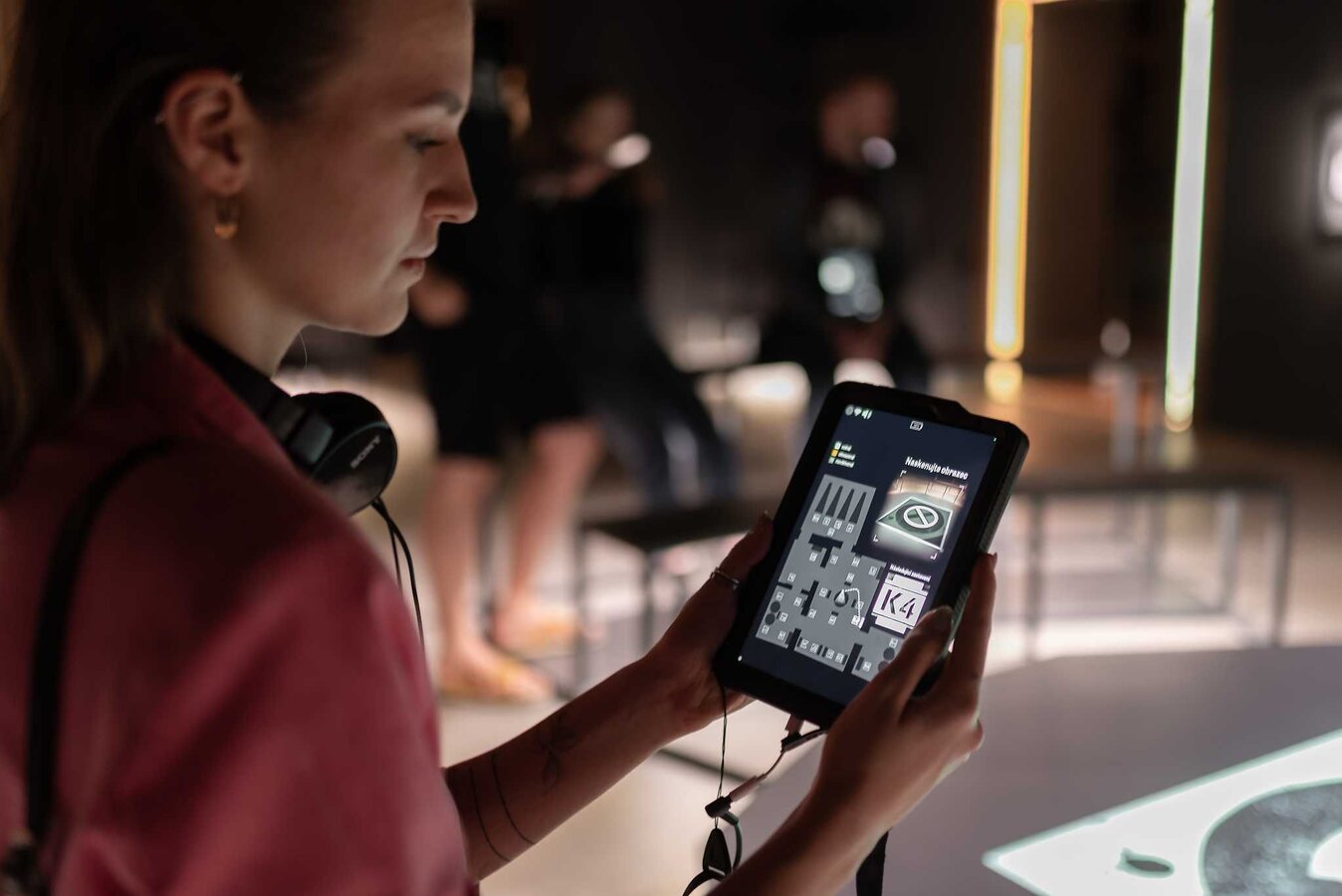
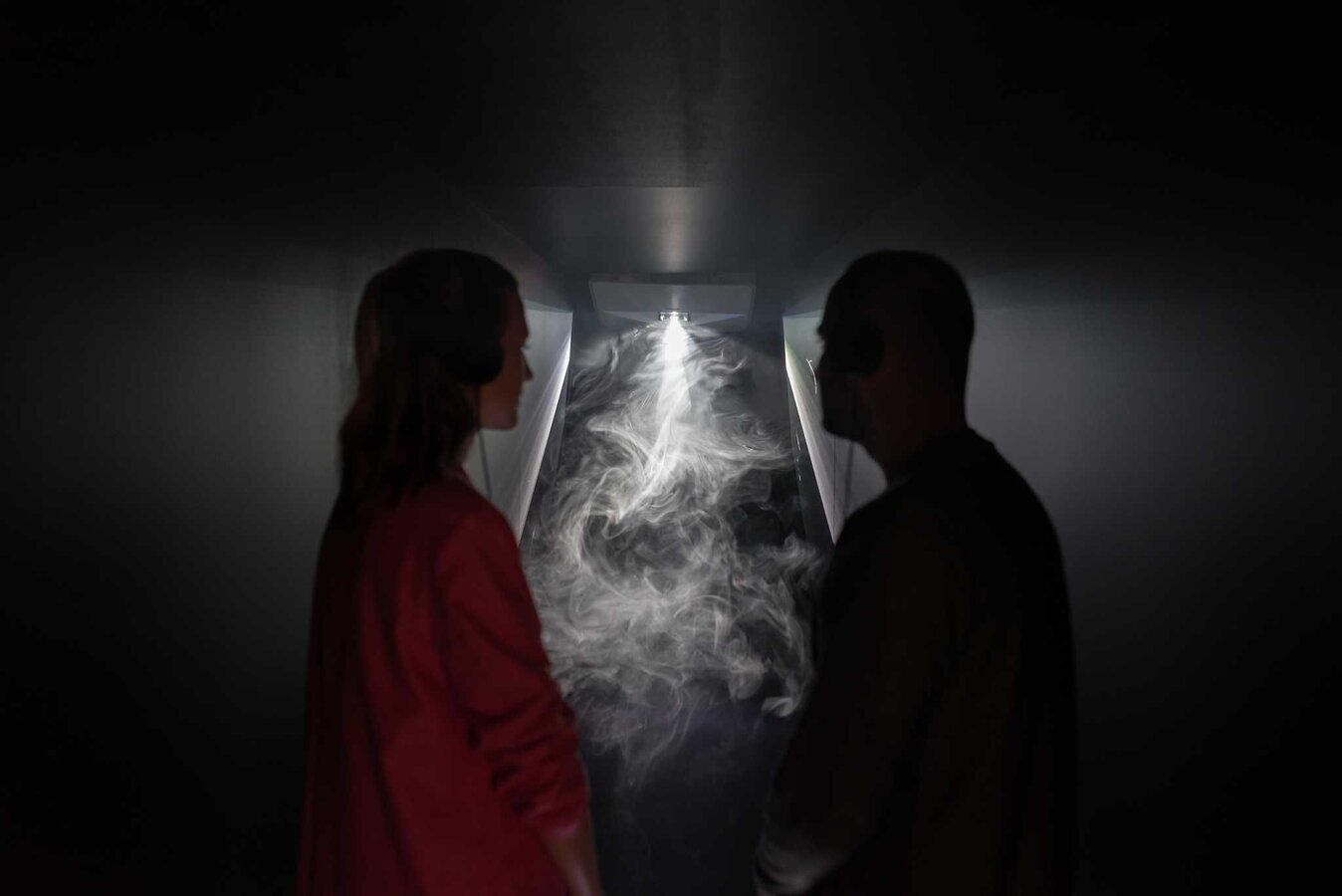
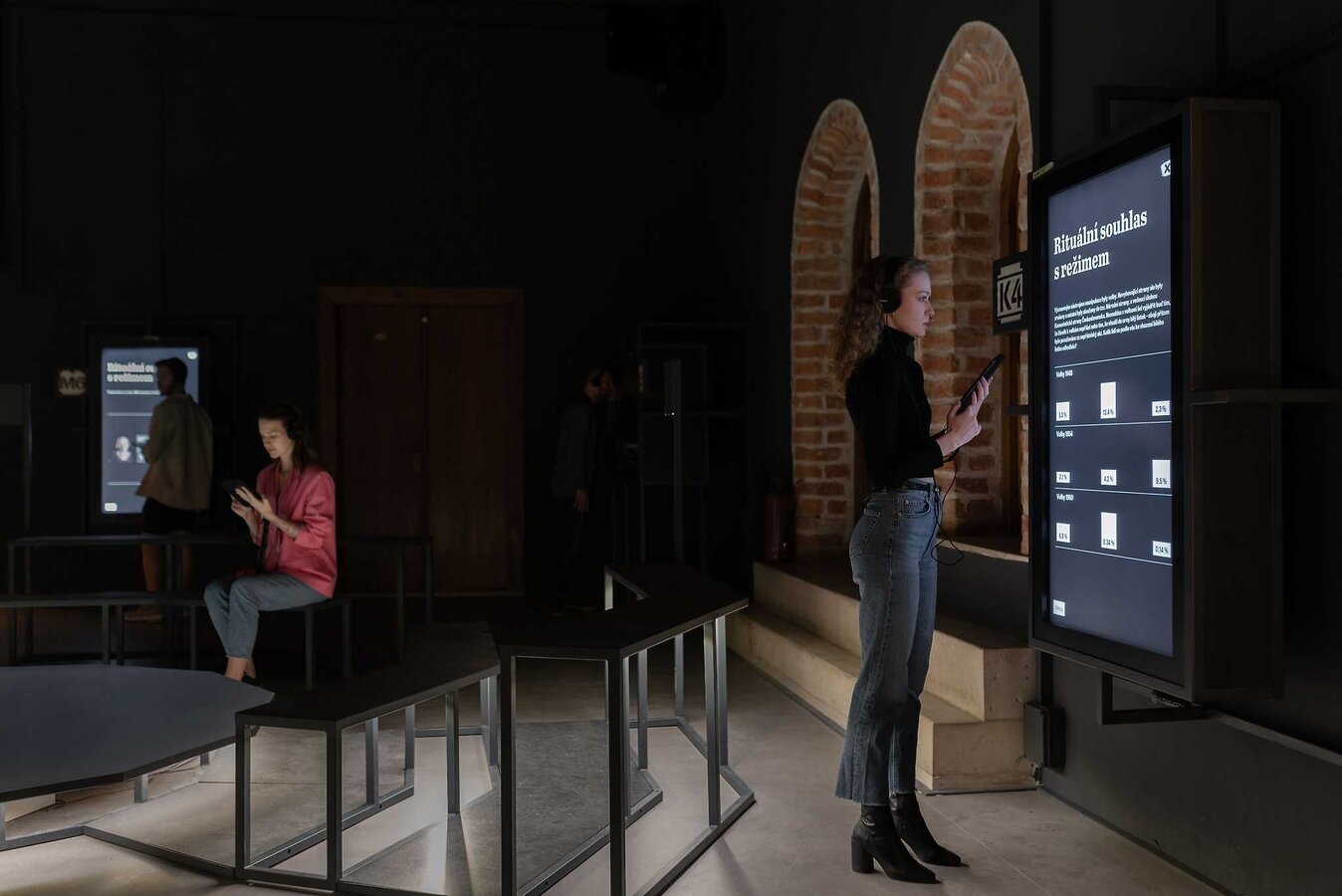
The permanent exhibition “Silent Heroism” is an interactive exhibition that takes visitors on a journey through 20th-century history. But they won’t just listen to the stories of eyewitnesses who lived through totalitarian regimes. They’ll actively participate in exploring these memories and, using a tablet, will be able to shape the adventure themselves. They’ll be aided not only by unconventional projections but also by visual and audio effects, interactive screens, and augmented reality.
We selected the life stories of four individuals from more than ten thousand interviews in the Memory of the Nation collection. They all have one thing in common—they selflessly helped others through their courageous acts, even though they often risked their own safety in doing so. They wanted to make life easier for those who lived through the difficult times of World War II and the 1950s. The exhibition “Quiet Heroism” now gives you the opportunity to learn about their stories and, in a small way, experience them for yourself.
You can find more true stories in the database of eyewitnesses.
------------------------------------------
Practical Information
The ticket office opens 30 minutes before the start of each tour.
The tour lasts 45 minutes.
The exhibition includes footage depicting violent behavior and weapons.
The exhibition is not suitable for people with epilepsy or respiratory problems.
When purchasing a ticket for two, both visitors take the same tour, during which they share a tablet with interactive features.
The exhibition is wheelchair accessible.
Galerry